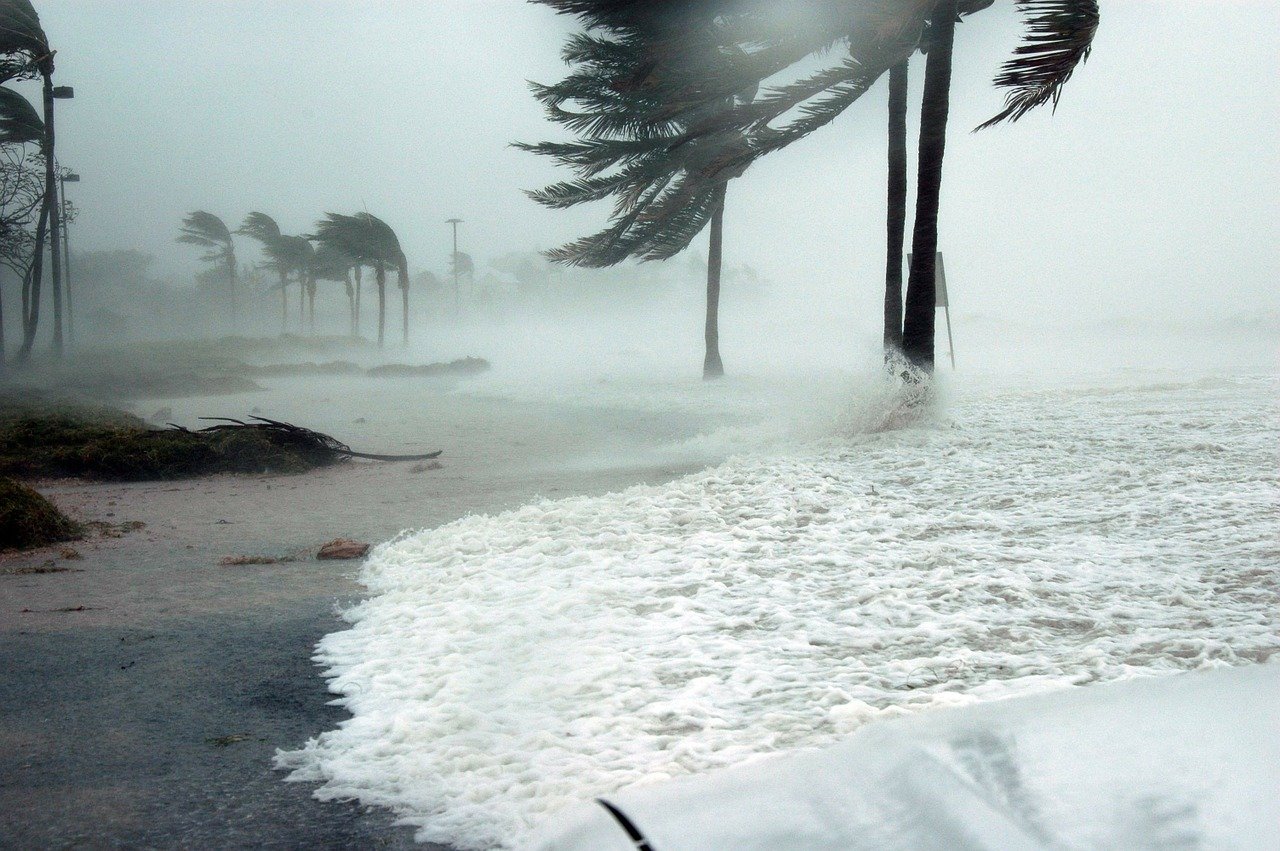
The Weather Channel predicts that Florida will have a much busier hurricane season in 2021. For business owners in Florida and across the US, being prepared for a hurricane in advance is crucial, both to protect your property and your employees.
Hurricane Preparedness Plan
Today on the blog of J&J ERS we would like to share a great guide from Hanover Insurance Group on preparing your business for a hurricane. The guide stresses the importance of having a hurricane preparedness plan. Below are tips for making that happen.
How to Make a Hurricane Preparedness Plan
Creating a hurricane preparedness plan is critical and training your employees to successfully implement it is vital. Some of the major areas to address are:
- Separate business locations need separate plans.
- Determine what equipment and inventory need to be moved to a separate and secure location and make arrangements.
- Include a list of tasks for all phases, i.e., pre-storm, during the storm, post-storm.
- Clearly define specifics for the protection of buildings, data, records, equipment, and inventory.
- Establish a hurricane kit for each location that is stocked with essential supplies.
- Decide which employees will be available to help with hurricane preparation. Do not assume everyone will be available, especially if a mandatory evacuation is ordered.
- Identify who will implement the plan and assign necessary tasks.
- Create an emergency call list with 24-hour telephone and cell phone numbers of all essential employees.
- Clearly communicate your company policy, i.e., when employees will be released from work, how to receive updates, who to contact for return-to-work information.
- Also, remember when creating your own plan to check with your local community and review theirs. Local officials should have detailed information for your immediate area.
There are also some simple steps you should take prior to hurricane season to ensure a successful pre-and post-storm implementation.
- Update emergency contact list.
- Meet with all essential employees to make sure they understand their role and the plan.
- Update the plan with any new locations.
- Make sure the kits are stocked with all necessary items.
- Make sure all hurricane shutters are accessible and usable.
- Test any and all emergency generators and ensure there is enough additional fuel available.
- Contact all vendors/contractors to go over your post-storm expectations of services.
- Communicate business continuity expectations to all employees and ensure they have an appropriate contact list.
- Update and post evacuation routes for employees.
When to act
While each storm may offer different scenarios and each business and location a different amount of time to get ready, it’s best to act quickly and allow ample time to prepare for the storm. Once a hurricane warning has been issued, there will most likely be insufficient time to fully implement your plan.
Securing your facility
- Distribute the necessary supplies from the kit.
- For fleets — move all vehicles into a garage. Park them as closely together as possible. Remove all keys and secure them in a separate area.
- Unplug all electrical equipment including terminals, refrigerators, coffee makers, calculators, fax machines, printers, copy machines, computers, phones, cable TV, etc.
- Cover all terminals, computers, printers, phones, fax, copy machines, and other equipment with heavy plastic and secure it.
- Help protect smaller windows from wind gust and flying debris by applying waterproof tape in a criss-cross pattern.
- Brace inward-opening exterior doors and roll-down doors on the inside.
- Cover large windows and glass doors that can be blown in by hurricane-force winds with plywood.
- Place all loose desk articles in drawers and cabinets.
- If applicable move all shop torches and welders to safe storage locations.
- Place all paperwork and paper files in a secure location above ground level to avoid water damage.
- Secure all loose outside items that can’t be removed with rope or chains (tables, trash cans).
- Identify any outside signs or awnings that could be blown loose and remove or secure in place.
- Secure outside dumpsters.
- Strongly anchor any portable storage buildings.
- If your building’s roof is a composition roof with a gravel covering, remove loose gravel to minimize damage from flying stones being blown off the roof.
- Ensure rooftop equipment such as exhaust fans, wind turbines, and air conditioning units are securely fastened to the roof deck.
- If applicable shutdown gas pumps.
- Place sandbags outside doors.
- Instruct staff to take home all personal items, including tools/toolboxes.
- Remove all supplies (copy paper, etc.) from the floor.
- Remove all checks and cash to a secure location and/or provide them to the comptroller for safekeeping.
- Back up computer records and store backup (thumb drive, external drive, disk) at a separate, secure location.
- Install storm shutters.
- Communicate pre-storm expectations to staff (dismissal times, etc.) as well as their responsibility to contact management immediately after the storm passes to determine when to return to work.
- Make sure staff has contact information and instructions for business continuity post-storm.
- Know where the first aid kit is located.
Everyone should prepare
Whether you are within 50 miles or further from the coast, there are some best practices you should consider to ensure your business can survive:
Develop a written business continuity plan that includes hurricane preparedness.
- Have emergency backup power lined up for your facility before a storm is forecasted.
- If you are building a new facility, make sure that hurricane protection and emergency power backups are key design features.
- Buy flood insurance if there is a possibility for flooding in your area or if you could be affected by a storm surge. Learn more about flood insurance on the National Flood Insurance website at fema.gov.
- If your facility is in a low-lying area, make arrangements for alternative storage sites at a higher elevation where equipment, files, and vehicles can be moved prior to a storm.
- Depending on the type of business you run you may need additional security at the site following a storm.
Sample checklists
Hurricane kit inventory
- Copy of your company’s business continuity and hurricane preparedness plans.
- Updated contact list
- The updated list of roles and responsibilities pre-and post-storm.
- Emergency vendor contacts (utilities, fuel, security, and off-site storage).
- Cell phones, two-way radios, AM/FM radio, or weather radio.
- Flashlights, batteries, and portable lighting
- Plastic bags, labels, masking tape, and markers
- Hazard tape
- Unopened padlocks and keys for lock-down of property and equipment if necessary.
- Pre-paid non-activated phone cards that can be used to contact vendors, employees, or family members.
We hope the above information will help your Florida business be prepared before a hurricane hits this season. If you have damage due to a hurricane, J&J ERS is the restoration company to call.
- 24/7 Live Calls
- Free Estimates
- 1 Hour Response Time
- We Work with Your Insurance
- Honest Service & Superior Work