- A+ BBB rated
- 24/7 Live Calls
- On Our Way Within an Hour
- We Work with Your Insurance
- Free Estimates
- Honest Service & Superior Work
772.770.2672


Rapid Response
Available 24/7
Category: Hurricane Damage • October 14, 2020
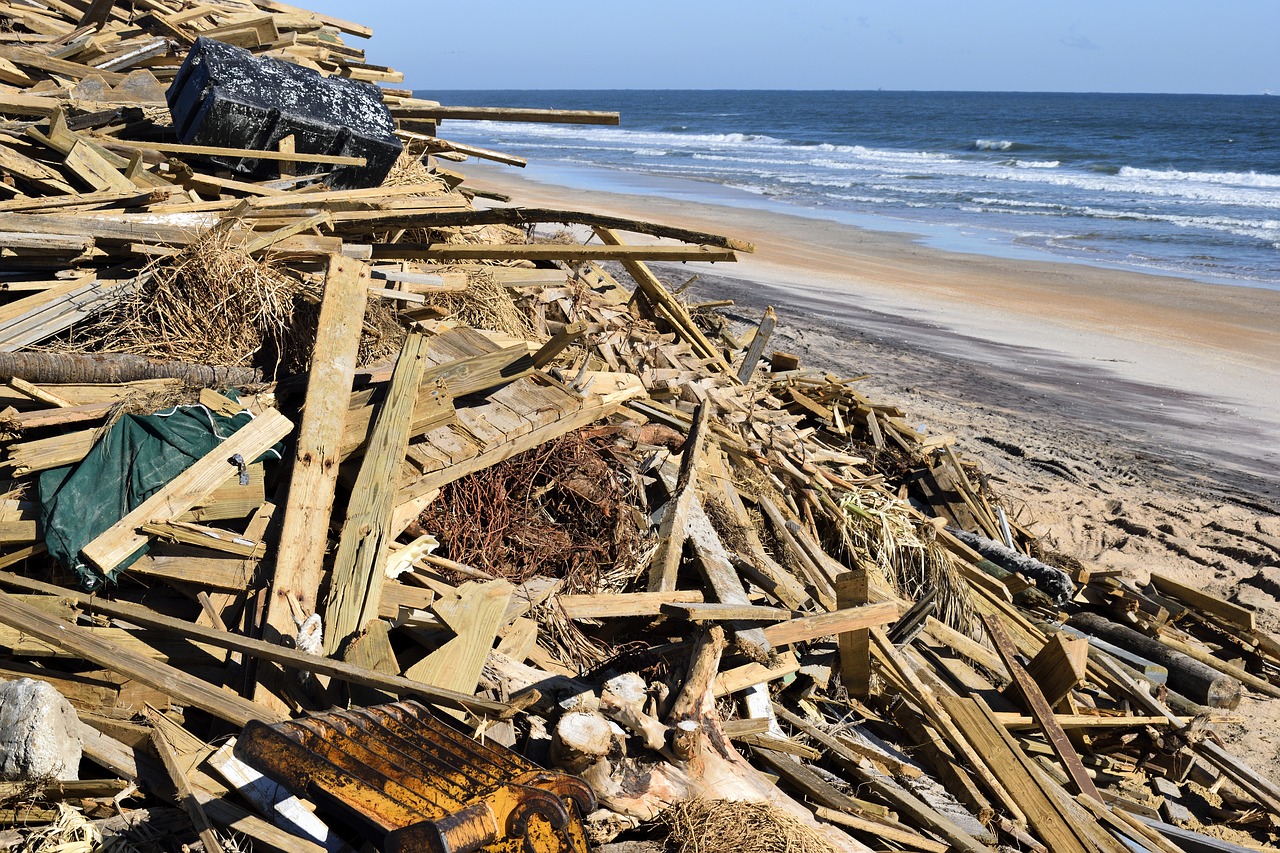
Living in Florida can sometimes feel like paradise. But as with any choice, there are always drawbacks, and the choice to live in Florida naturally comes with the threat of hurricanes. Hurricanes are a natural part of the Florida scene and always have been due to our location beside the ocean. A hurricane can wreak devastation, as we all well know.
We are right in the middle of the Florida hurricane season here in October. So far we have been lucky this 2020 hurricane season, as the last few hurricanes have both veered toward the Louisiana coast and let us be. However, there is still more than a month of hurricane season left, so we are not out of the woods yet.
J&J ERS has been helping Florida residents and businesses recover from hurricanes for many years. From the smallest recovery project to a full state-of-emergency disaster, we possess the manpower, equipment, and expertise to immediately address your needs. What we have learned over time is that most of the damage from hurricanes is due to water damage and flooding.
On our blog today we would like to share tips for recovering from a Florida hurricane. We have listed the major pieces of advice for Florida homeowners and business owners whose property is damaged after a hurricane. Of course, our biggest tip is to call J&J ERS and let us help you get your property back to its pre-hurricane condition, but the following tips will help you and your family better deal with the aftermath of a hurricane in Florida:
Photograph and Record Everything
Take photos of everything, from the contents of cabinets and specific items to entire rooms before you start moving items. If you experienced flooding or water damage, place a tape measure against the wall and take photos of the water line in multiple places around your house. (Water level in various rooms could have been different.) When you start removing items, continue to photograph. You want to maintain as many records and photographic evidence as possible to help speed up your insurance claim.
Documentation and Insurance
Maintain a written record of everything that you discard including lost food and items in your shed, garage, or attic. Keep all records in a binder. Insurance companies and relief programs will require documentation and estimates of your losses. Contact your insurance company to start claims; this process can take a while so start as soon as possible.
Print out hard copies of any forms filled out online and save. Always check to make sure that submitted forms were received. Keep receipts of everything from cleaning supplies to new items purchased such as plastic bins for storage.
Be Careful and Prevent Fraud
Unfortunately, disasters bring out the best and worst in people. Disaster events are a beacon for opportunistic predators. Avoid the three most common scams: home repair, identity theft, and donation scams.
Federal Aid
Apply for FEMA assistance even if you have insurance or flood insurance. Be sure to keep a record of your FEMA claim number. Apply for all of the aid that becomes available.
Resource Links
Recover and Rebuild
J&J ERS is here to assist you in your hurricane recovery efforts. We are the preferred water damage restoration and storm damage company in Florida and also experts in helping homeowners and business owners with insurance claims.
772.770.2672
